A family picnic for 12 people can be an affordable shared celebration when the logistics are clear. Before planning games or a large menu, check the park’s rules, accessibility, weather and food storage options. This guide covers a sample budget, equipment checklist, easy activity plan and a practical rain backup.
Confirm the park is appropriate first
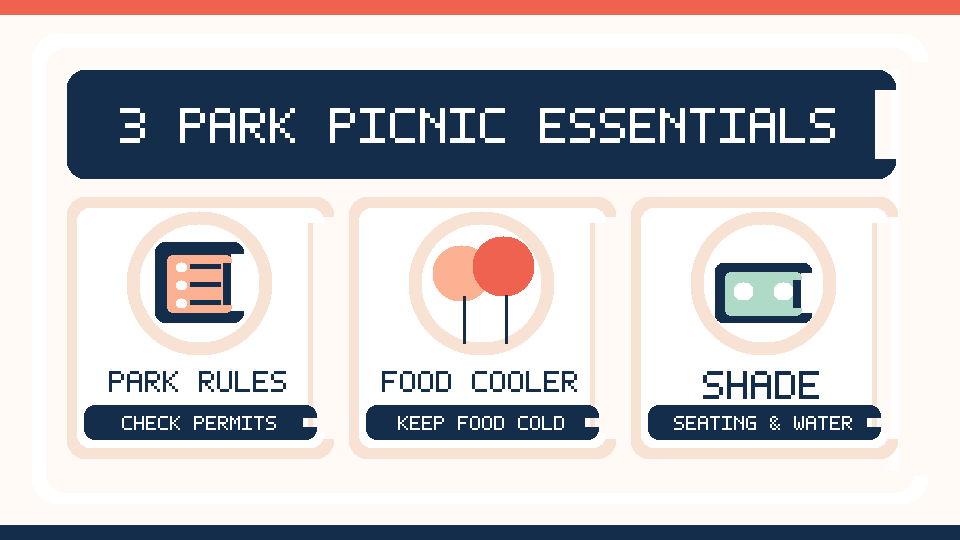
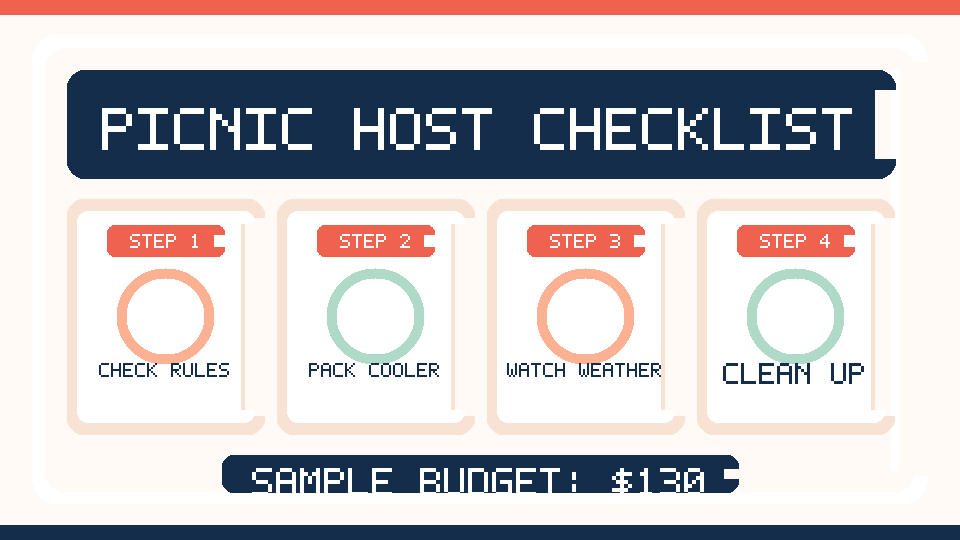
Check the official park website or managing authority for picnic rules, opening hours, permitted group sizes, reservations, fees and restrictions on grills, alcohol, music, glass or shelters. Rules vary greatly between U.S. parks, so do not assume a picnic table or pavilion is freely available. If an area needs a permit, secure it before announcing the event.
Plan a comfortable location
- Choose a table or picnic area that can accommodate your confirmed group.
- Check restrooms, parking and transit, and consider accessible paths and seating.
- Look for natural shade, but have a plan for excessive heat, rain, lightning or poor air quality.
- Do not block park paths or occupy reserved facilities without authorization.
- Arrange adult supervision appropriate to children’s ages and activities.
Illustrative host budget for 12
The following is a made-up budgeting scenario, not a current price estimate. Any park fees, transportation costs and rentals must be added separately.
| Item | Example allowance | Note |
|---|---|---|
| Simple portable food | $48 | Use foods you can keep at appropriate temperatures |
| Drinks and ice | $24 | Water should be easy to reach |
| Reusable or disposable supplies | $18 | Check what is already owned |
| Activity supplies | $10 | One simple outdoor game |
| Reserve | $30 | For replacement items or unexpected needs |
| Total | $130 | Excludes permits, rentals and transport |
The essential picnic packing list
| Bag | Contents | Why |
|---|---|---|
| Food bag | Prepared food, sealed containers, appropriate serving tools | Organized service |
| Cold storage | Insulated cooler, adequate cold packs or ice | Safer transport and holding |
| Comfort | Blankets, stable seats if allowed, sun protection | Accessibility and shade |
| Hygiene | Hand-cleaning supplies, napkins, trash bags | Clean preparation and cleanup |
| Backup | Charged phone, weather plan, first-aid supplies | Handle changes calmly |
Food safety outdoors
Perishable food needs appropriate time and temperature control. USDA guidance commonly uses 40°F or colder for chilled food and 140°F or hotter for hot holding; perishable food should not stay at room temperature beyond two hours, or one hour when temperatures exceed 90°F. Use a food thermometer where appropriate. Check the current USDA guidance for your specific food and transportation setup.
A one-week picnic timeline
| When | Action | Check |
|---|---|---|
| 7 days ahead | Choose park and confirm rules | Reservations or permits |
| 5 days ahead | Invite guests, agree on duration | RSVP and access needs |
| 3 days ahead | Create food and supply list | Cooler capacity |
| 1 day ahead | Check forecast and alternate location | Rain, heat and advisories |
| Event day | Transport food safely, inspect chosen space | Comfortable setup |
| After | Clean thoroughly and remove all belongings | Respect park and other users |
A relaxed three-hour outline
- 0:00–0:25 — Meet, find the picnic area and arrange seating.
- 0:25–1:20 — Enjoy food while protecting perishable items.
- 1:20–2:10 — Optional easy games, conversation or short walks.
- 2:10–2:40 — Rest, hydrate and enjoy the surroundings.
- 2:40–3:00 — Pack up, inspect the area and leave on time.
A practical weather backup
Choose an indoor alternative or cancellation policy before people travel. Severe-weather alerts, lightning, heat hazards or unhealthy air quality may make the outdoor plan inappropriate. Follow local official advice, not just a single forecast icon. If you have no suitable backup venue, communicate a postponement promptly.
Activities without expensive equipment
- A short scavenger-hunt observation game that respects park rules and wildlife.
- A simple group guessing game that doesn’t require loud music.
- An easy walk for guests who want it, with a seated alternative.
- A shared group photo only with permission.
- No activities at all: conversation can be the highlight.
Cleanup and consideration checklist
- Remove trash and all decorations; leave the area as you found it.
- Keep food scraps away from wildlife.
- Check for lost toys, utensils and personal belongings.
- Leave grills, shelters and facilities in accordance with local rules.
- Dispose of or safely refrigerate leftovers promptly.
- Avoid restricting paths, parking or shared amenities for other visitors.
Frequently asked questions
Do I need to reserve a picnic shelter?
It depends on the park and group size. Check with the specific park authority before assuming any structure is available.
What if rain is forecast?
Use the official forecast and your agreed decision deadline. An indoor alternative or postponement is better than relying on unsafe conditions.
Final takeaway
A successful park picnic starts with confirmed local rules, appropriate shade and seating, food-safe transport and a realistic weather decision. Keep the rest of the celebration simple.
Editorial note: Budget numbers are hypothetical. Check local park rules, public alerts and current USDA food-handling guidance before your gathering. Reviewed October 9, 2026.
Related planning guides: Explore our backyard party weather checklist and potluck coordination guide for more useful checklists. Image disclosure: Images in this guide are AI-generated illustrative concepts, not photographs documenting an actual event.
Keep planning: New to hosting? Visit our Start Here guide for an easy five-step plan, or browse Party Guides for more checklists and practical examples.

